
Abandoned homes in California can quickly become costly liabilities. From mounting fines to legal issues, the consequences add up fast. With over 1.2 million empty homes across the state [1], these properties pose challenges for owners, neighbors, and local governments alike. Whether you’ve inherited a neglected house or unknowingly bought one, understanding your options can help you avoid serious headaches. This guide explains what happens to an abandoned house and how Osborne Homes can offer a faster, stress-free solution.
Homes don’t become abandoned overnight. In most cases, several financial, legal, or personal challenges lead homeowners to walk away, leaving behind empty properties that quickly deteriorate.
Common reasons houses get abandoned include:
What happens when a house is abandoned often depends on these underlying issues. Some owners can’t afford to keep the property; others are stuck in legal limbo that makes selling difficult. And if you’ve inherited a home after a loved one’s passing, you may also face the added burden of having to remove items from a house after death before you can move forward—adding time, cost, and emotional stress.

Once a property is deemed abandoned, California’s legal and municipal systems take over. These procedures are designed to protect public safety, preserve neighborhoods, and return homes to productive use.
Local governments monitor neighborhoods for signs of abandonment through code enforcement officers, neighbor complaints, and unpaid tax records. What happens to abandoned houses follows a predictable timeline that varies by municipality but generally includes several escalating interventions.
California cities and counties have broad authority to address abandoned properties that threaten public safety. Code enforcement officers regularly patrol neighborhoods, responding to complaints about overgrown yards, broken windows, or squatter activity [2].
Local governments can issue notices of violation, impose daily fines, and place liens on a house. In some cases, they may even board up the property or secure it to prevent further damage or illegal entry.
These interventions often begin with warning letters but escalate quickly when owners remain unresponsive. The goal is to encourage voluntary compliance before more aggressive action becomes necessary.
When feasible, cities prefer rehabilitating abandoned homes rather than demolishing them. Many municipalities partner with nonprofits or offer public programs that convert distressed homes into affordable housing.
These programs typically require significant financial investment but can preserve neighborhood character while addressing housing shortages. However, rehabilitation is only possible when the structure is still sound and free from severe issues like structural failure or pest infestation.
California municipalities order demolition when properties become too dangerous to rehabilitate. Properties may be officially condemned when they pose immediate safety hazards to occupants or neighbors. Demolition costs in California typically range from $4 to $17 per square foot, meaning tearing down a 1,500 sq. ft. home could cost $6,000–$25,500 [3].
Cities bill these demolition costs to the property owner or place liens that must be satisfied before any future sale. When owners cannot pay, municipalities may pursue legal action to recover costs through tax liens or property seizure.
If property taxes go unpaid for five or more years, the county can seize the home and schedule it for a tax collector sale [4]. Once eligible, counties have four years to auction the property.
The original owner typically forfeits all ownership rights after the sale, though they may claim any proceeds that exceed the owed tax amount. Tax auctions occur regularly throughout California, with some counties scheduling multiple sales per year.
Vacant homes often attract squatters, leading to safety hazards and legal complications. In California, a person would need 15 years of continuous occupation to claim adverse possession, but few meet the legal criteria.
Still, owners are liable for injuries on the property, even if caused by trespassers. Removing squatters usually requires a formal eviction process, which can be costly and time-consuming.
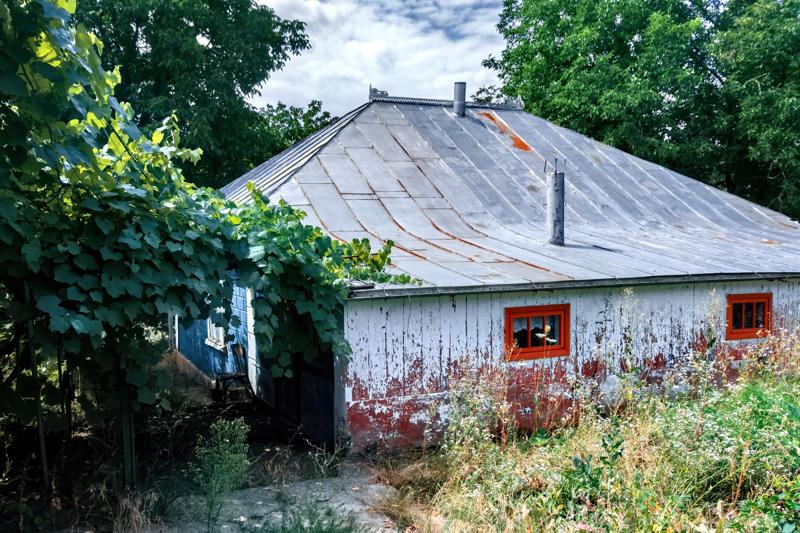
You can’t just move into an abandoned home and call it yours. California law strictly prohibits claiming ownership without a legal process. While myths about “free houses” persist, acquiring abandoned property requires going through official channels and often comes with steep costs.
Paying back taxes or making repairs doesn’t grant you legal ownership. In California, ownership of abandoned property can only be transferred through a court process, estate proceedings, or by buying directly from the legal owner.
Options for acquiring abandoned properties legally include:
Even when you legally acquire an abandoned house, it often comes with major costs. Repairs, legal fees, and code compliance can add up fast, especially for homes in bad condition. These properties are rarely quick wins and more often expensive renovation projects.
Inheriting or owning an abandoned house in California brings immediate legal and financial responsibility. Even if the home is vacant or unused, state law still holds you accountable for keeping the property safe and up to code.
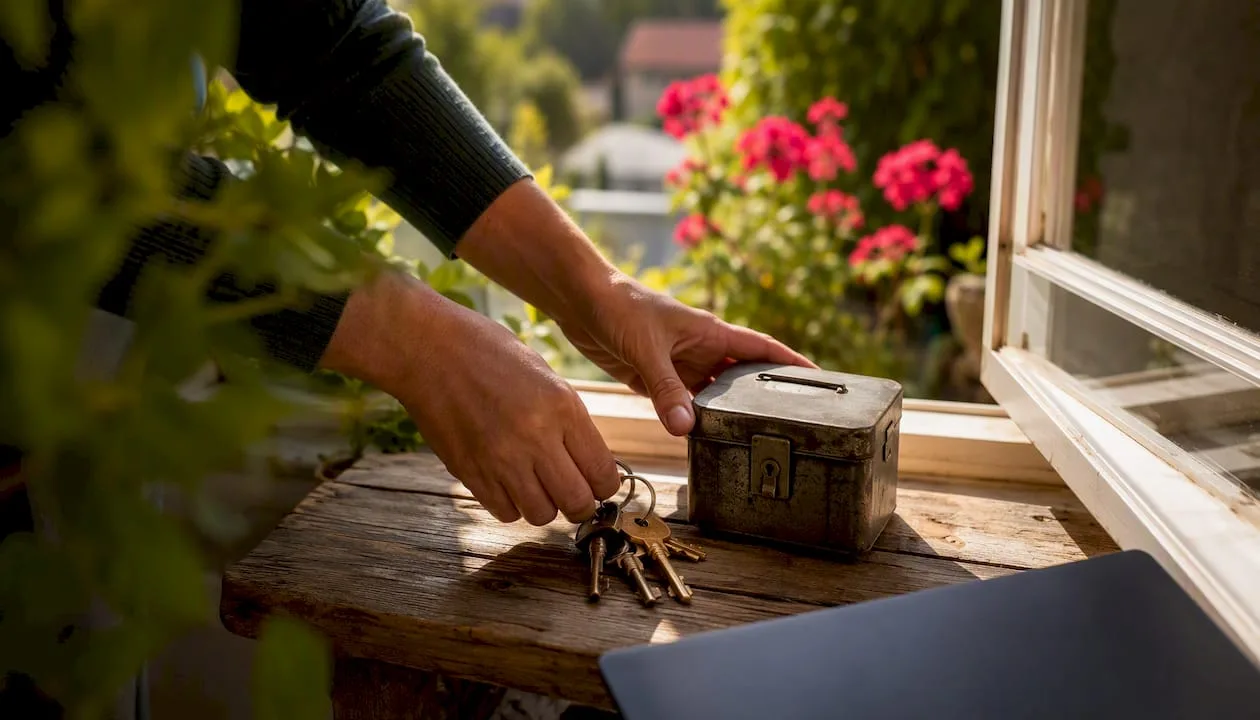
Your first step should be securing the property to prevent vandalism, weather damage, and trespassing. Board up windows, change locks, and post clear no-trespassing signs to show you’re taking responsibility for the home.
Steps for managing an abandoned inherited property:
With abandoned homes, time isn’t on your side. Daily code violation fines can add up fast, and delayed maintenance only makes repairs more costly. Acting quickly can save you thousands in future expenses and legal trouble.
Don’t wait for the slow government process or sink thousands into repairs. Osborne Homes offers a fast, hassle-free way to sell abandoned houses in California, no matter the condition.
We buy vacant properties in California and handle all the paperwork, legal issues, and title complications for you.
Our cash purchases eliminate the need for:
We can close in as little as three weeks, stopping new fines from piling up and resolving the issue for good. From the first call to the final signature, Osborne Homes makes it easy to move on without the stress of managing a problem property.

Get quick answers to common questions about abandoned properties in California.
No. Living in an abandoned house without permission is considered trespassing and is illegal under California law. It can lead to criminal charges and eviction.
In most cases, property is considered abandoned after five years of unpaid property taxes, making it eligible for tax auction. However, local definitions may vary based on code enforcement rules.
No. You cannot gain legal ownership by moving into an abandoned property. Ownership requires going through proper legal channels such as auctions, probate, or direct purchase.
You must legally acquire the property through a tax auction, probate court, or by negotiating a purchase with the rightful owner or lienholder. California law requires a formal title transfer.
You become the legal owner and are responsible for the property’s upkeep, taxes, and any existing code violations, even if the home is unoccupied or in disrepair.
No. While some properties may be low-cost at auction, they are not free. You’ll often need to pay back taxes, cover legal fees, and invest in repairs to make them livable or sellable.
References

The Osborne Homes Team
The Osborne Homes team specializes in California real estate, helping buyers, sellers, and homeowners navigate the market with clarity and confidence. Our articles are written to provide practical guidance, local insight, and up-to-date information you can trust.


Get a no-obligation cash offer in as little as 48 hours. No repairs, no agents, no stress. Just a dignified way to move forward.
Free property assessment. No obligation. No pressure.
sell