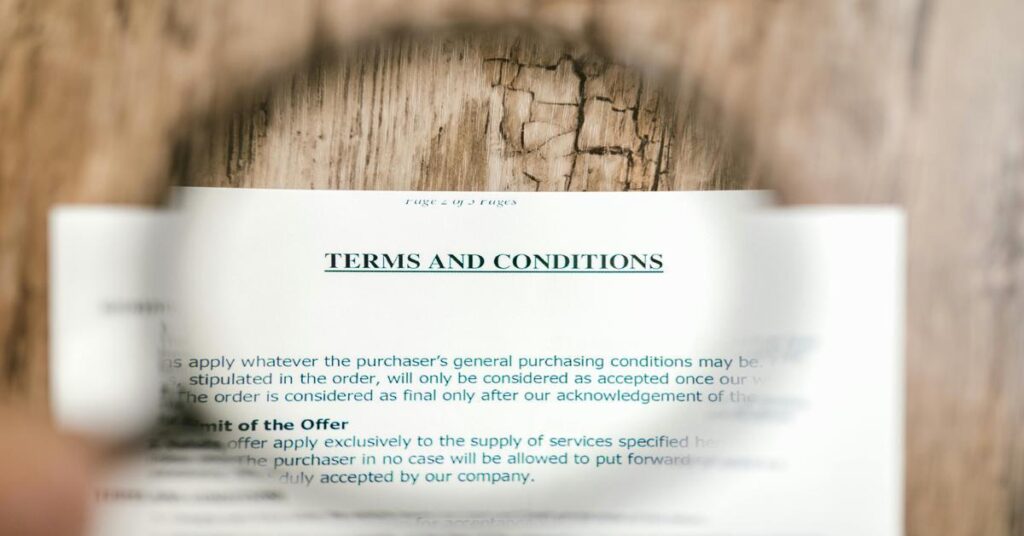
Selling your home in California often means juggling offers, contracts, and contingencies. One of the trickiest? When a buyer wants your home—but only if they can sell theirs first. That’s where a kick-out clause can help you stay in control.
In this post, we’ll explain how kick-out clauses work, when to use them, and what to watch out for. We’ll also share how Osborne Homes helps sellers avoid these complications with fast, all-cash offers—no waiting, no contingencies.
A kick-out clause is a seller’s safeguard in real estate contracts when accepting contingent offers. Sometimes referred to as an escape clause or right-of-first-refusal clause, it allows sellers to continue marketing their property and entertain other offers while working with a buyer who has contingencies.
If a better offer comes in, the original buyer typically has 48-72 hours to remove their contingency or lose the deal. This prevents sellers from being stuck in limbo while waiting for buyers to sell their current homes or secure financing.
A kick-out clause creates a safety net for sellers while still working with contingent buyers. Here’s how it plays out in real life.
1. You accept a buyer’s contingent offer.
For example, the buyer might need to sell their current home before closing on yours. You agree to the offer but include a kick-out clause in the contract.
2. Your home stays listed as “contingent with kick-out.”
This tells other buyers your home is still available, and that the current deal has conditions attached.
3. Another buyer submits a stronger offer.
If a second buyer comes along—with no contingencies or better terms—you notify the original buyer.
4. The original buyer has a short deadline to act.
They typically have 48 to 72 hours to do one of the following:
5. If they don’t act in time, you’re free to move on.
You can cancel the first agreement and accept the backup offer.
The 48-hour kick-out clause is especially common because it gives buyers just enough time to make a serious decision without leaving you hanging for days. It puts healthy pressure on buyers to act quickly while giving you the freedom to consider better options.
Not every real estate transaction requires a kick-out clause, but certain situations make them particularly valuable.
In neighborhoods where homes sell quickly with multiple offers, kick-out clauses are your safety net. They allow you to accept a contingent offer while keeping your options open for stronger, faster buyers who might come along. Think of it as keeping your home in play while still working with interested buyers—a smart strategy when demand is high.
When buyers need to sell their current home before buying yours, timelines become unpredictable. This clause prevents you from being stuck in waiting mode indefinitely. You can work with these buyers while maintaining the freedom to pursue other opportunities if a more prepared buyer comes knocking.
If you need to close by a specific date due to a job relocation, financial deadline, or other life transition, kick-out clauses help maintain your schedule. They ensure contingent buyers either move forward promptly or step aside, giving you control over your moving timeline rather than leaving it to chance.
Buyers with questionable funding create unnecessary risk. Kick-out clauses protect you when working with someone whose mortgage approval seems uncertain. This safety net prevents your property from being tied up while lenders process paperwork or buyers struggle to secure adequate financing.
Like most things in real estate, a kick-out clause has its good and bad sides. Let’s look at each so you can decide if it’s right for your situation.
The Benefits to Sellers
Potential Drawbacks
In competitive markets where homes are selling in record time, these clauses usually pay off. But every situation is unique, just like every home.
Before incorporating this clause into your real estate contract, consider these important factors.
Having a good real estate agent or attorney in your corner is crucial when using kick-out clauses. These professionals can help you write the clause in plain English that actually protects you. They know the right words to use about timeframes and notifications that keep things clear and prevent those awkward “but I thought you meant…” conversations later on.
Take time to get to know your buyer’s reality before agreeing to contingencies. Is their house in a hot neighborhood that’ll sell quickly, or are they being overly optimistic? Ask for their pre-approval letter or proof they’ve already listed their home. A little detective work now can save you from checking your phone for updates months down the road.
Including a kick-out clause can open the door to back-and-forth with your buyer. They may ask for a longer decision window—like 72 hours instead of 48—or request special conditions that soften the impact of the clause. Go into negotiations with a clear sense of your must-haves (like a firm closing date) and your nice-to-haves (like a few extra hours for the buyer to respond). That way, you can stay flexible without giving up control of your timeline.
Kick-out clauses can be a smart move—but only if they make sense for your area. In hot seller’s markets where homes get multiple offers in days, they’re often expected and give you a competitive edge. But in slower markets, they might scare off buyers who feel like they’re competing with ghosts. Talk to your real estate agent about recent market trends, how often these clauses are used in your neighborhood, and whether one could help—or hurt—your chances of a smooth sale.
Hope for the best but plan for that “we need to move on” moment. Keep those backup buyers warm with occasional updates. Know exactly how to properly end the original agreement without legal headaches. Have your listing photos ready to go again if needed.
While kick-out clauses can protect you during traditional home sales, they still leave you playing the waiting game with buyers who might not come through. At Osborne Homes, we do things differently. We buy houses with cash—no contingencies, no financing delays, and no fine print.
Our approach puts you back in control of your moving timeline. Instead of wondering if your buyer will ever sell their current home or get approved for that loan, you can close on your schedule and move forward with your life. We make fair cash offers that let you skip the typical real estate hassles. If you’re ready to sell without the stress, give us a call—we’re here to make selling your home straightforward again.
Small intro to frequently asked questions about kick-out clause in real estate
Yes, but you must disclose the issue to any buyer. You are not legally required to repair the foundation before selling, though. A cash buyer will purchase as-is. What you cannot do is conceal a known defect.
Minor crack repairs go from hundreds to thousands ($5,000+). But anything more serious can get the cost up to dozens of thousands of dollars. Even up to $50,000+ in some severe cases. Bay Area costs are typically at the higher end due to labor rates and soil complexity.
Most conventional, FHA, and VA lenders will not fund a purchase if an inspection report reveals active foundation movement or structural defects. This limits the buyer pool to cash buyers unless repairs are completed first.
Yes, disclosure of foundation issues typically requires a price reduction to compensate buyers for the repair cost and the financing difficulty. For moderate issues, the discount required to attract an open-market buyer is often greater than the actual repair cost.
Yes. Osborne Homes buys California properties with foundation issues as-is – no repairs, no engineering inspections, no staging before the sale. The offer reflects the property’s condition. There is no financing contingency and no risk of the deal collapsing due to the structural report.
Yes. Osborne Homes buys California properties with foundation issues as-is – no repairs, no engineering inspections, no staging before the sale. The offer reflects the property’s condition. There is no financing contingency and no risk of the deal collapsing due to the structural report.

The Osborne Homes Team
The Osborne Homes team specializes in California real estate, helping buyers, sellers, and homeowners navigate the market with clarity and confidence. Our articles are written to provide practical guidance, local insight, and up-to-date information you can trust.



Get a no-obligation cash offer in as little as 48 hours. No repairs, no agents, no stress. Just a dignified way to move forward.
Free property assessment. No obligation. No pressure.
sell