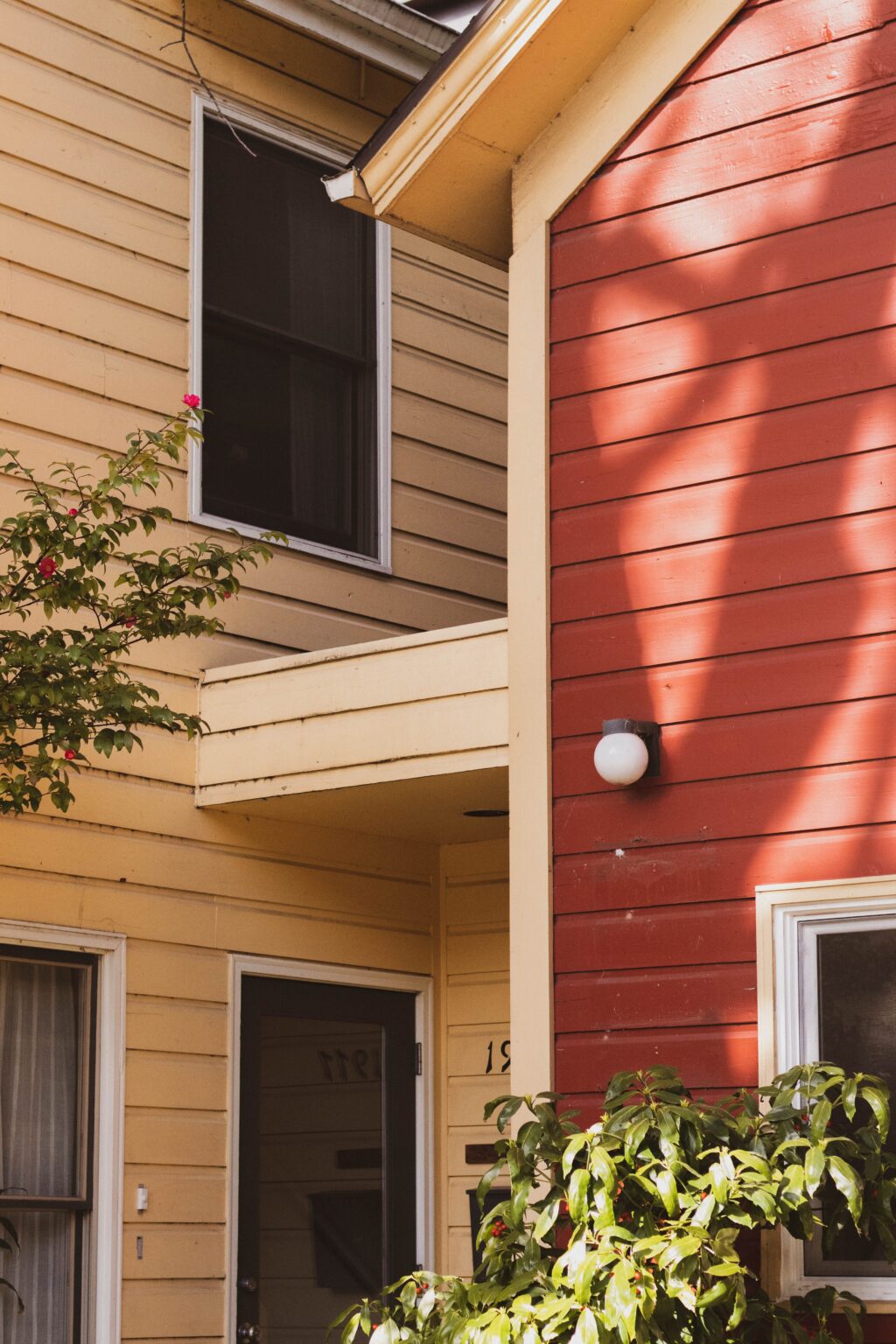
Yes, duplexes are generally harder to sell than single-family homes. Their market appeal depends on factors like location, rental income, condition, and the type of buyer you’re trying to attract. While some duplexes in high-demand rental markets can sell quickly, many owners struggle to find the right buyer or get top dollar.
At Osborne Homes, we hear from California duplex owners all the time who are looking for a quick exit. Let’s break down why duplexes can be challenging to sell, when they sell faster, and your options if you need to move on from yours.
lightbulbKey Takeaways
check_circle
Duplexes are generally harder to sell than single-family homes because the buyer pool is narrower – mostly investors and owner-occupants willing to manage a tenant – and financing terms are stricter for pure investors, who still face 20–25% down payments.
check_circle
Strong rental income is the most powerful selling point a duplex can have: a property already meeting the 1% rule (monthly rent equal to at least 1% of the purchase price) tends to attract investor interest quickly.
check_circle
What you own affects who can buy it: a standard duplex sells as a single property, a halfplex requires formal lot subdivision or condominium structuring to sell separately, and an ADU on a single-family lot is not a duplex – though it attracts similar buyers.
check_circle
California’s post-2020 ADU laws and SB 9 have put more duplex-like properties into the market, increasing competition for the same pool of investor and house-hacker buyers.
check_circle
Under AB 1482, a duplex is exempt from California’s rent cap and just cause eviction rules only if the owner occupies one unit as their principal residence – cities like Los Angeles, San Francisco, and Oakland apply stricter rules on top.
check_circle
Selling with tenants in place adds complexity, but some investors actively prefer it when leases are strong and rent is consistent, and a direct cash buyer can close without requiring the property to be vacated first.
These terms get used interchangeably, and they shouldn’t be, because what you own determines who can buy it and how it can be sold.
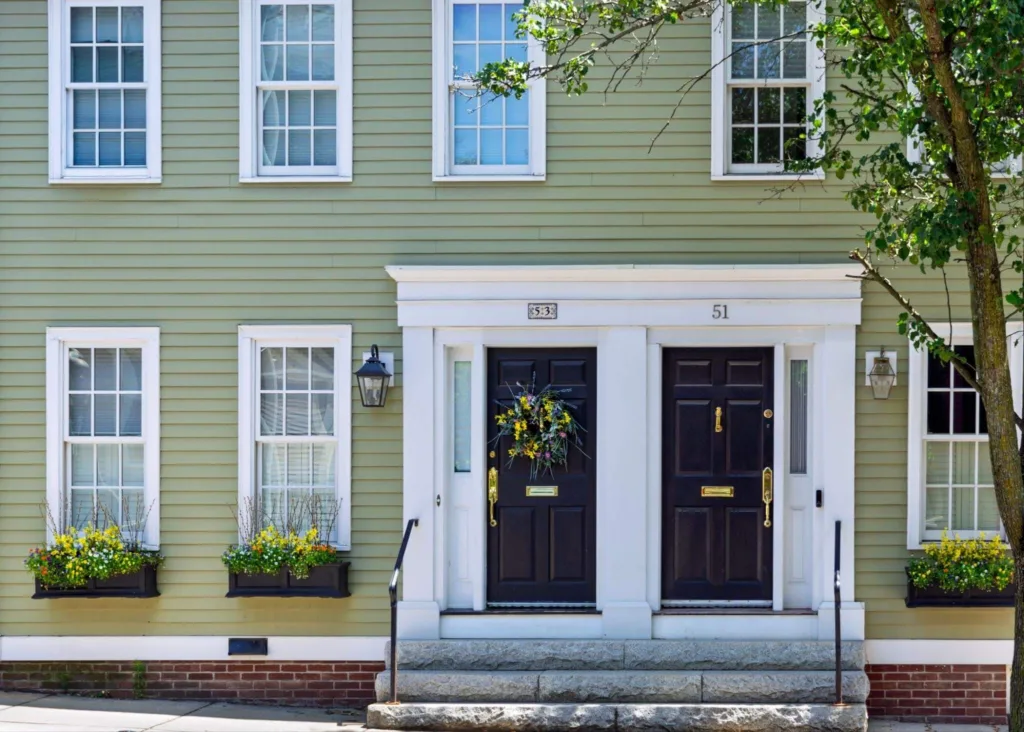
Duplexes often (but not always) carry baggage, for want of a better word, that single-family homes don’t, and buyers can smell it from the driveway. That ‘baggage’ includes:
Most buyers looking for a home want privacy, a yard, and no shared walls, which means they’ll choose a single-family home over a duplex if given the option. That leaves investors and landlords as your main audience. If you go this route, you’ll need to know how to sell your house to an investor, otherwise, your duplex could sit on the market much longer than expected.
Lenders often treat duplexes as higher-risk investments. Financing depends heavily on whether the buyer plans to live in one unit. Owner-occupants can now put as little as 3.5% down with an FHA loan or 5% with Fannie Mae, which lowered its requirement for owner-occupied two-to-four unit properties from the old 15% to 25% range.
By the same token, pure investors get no such treatment and still face down payments of 20% to 25% plus stricter underwriting. That difference is why an owner-occupant buyer is often your best prospect, and why a duplex marketed only to investors can stall.
Buyers (especially investors) want properties that are move-in-ready. But duplexes are often rental units, and tenants may not maintain them to the same standard as owner-occupied homes. Outdated kitchens, cosmetic wear, or repair needs can all make a duplex less appealing.
Duplexes are often located in higher-density neighborhoods. While this can be an advantage for rental demand, it can also turn off buyers who prefer quieter areas. If the local rental market is soft, your duplex may lose even more value.
Despite the challenges, not all duplex sales in California (or indeed, any other state) are doomed to slow sales. Under the right circumstances, they can attract serious buyers quickly.
If your duplex has a reliable rent roll and low vacancy rates, investors may line up to make offers. Consistent cash flow is one of the strongest selling points, since it gives buyers immediate income without the hassle of finding new tenants. A duplex that already meets the 1% rule (monthly rent equal to 1% of purchase price) is especially attractive to investors.
Location has always been the golden rule in real estate, and duplexes are no exception. A property in an area with high rental demand, good schools, or strong job markets tends to move much faster than one in a less desirable neighborhood. Proximity to public transportation, major employers, and amenities like shopping and dining can also boost appeal.
Fresh paint, updated appliances, and modern finishes can make a huge difference when selling a duplex. Even something as simple as choosing the best paint colors to sell your home fast can help a duplex feel move-in-ready and attract stronger offers.
Not every real estate agent understands how to market multifamily properties like duplexes. If you choose to sell traditionally, it’s important to work with someone who has experience handling rental homes and investor-focused buyers.
That said, you don’t always need an agent to sell a duplex. At Osborne Homes, our team of real estate investors specializes in buying duplexes and other multi-unit properties. Instead of listing your duplex and waiting for the right buyer, we purchase directly, which saves you time, avoids commission fees, and removes the uncertainty of the open market.
Four buyer types tend to dominate the duplex market, but each one values your property from different angles, depending on their motivations and goals.
| Buyer type | What they want | Price sensitivity | Timeline |
|---|---|---|---|
| Owner-occupant (house-hacker) | Live in one unit, rent the other so the rental income offsets the mortgage | Moderate | Standard 30 to 60 days |
| Buy-and-hold investor | Rental yield, with the cap rate and 1% rule needing to work | High, and will discount if the cap rate is thin | 30 to 60 days or faster |
| Fix-and-flip investor | A below-market distressed duplex to renovate and resell | Very high | 7 to 14 days with cash |
| Direct cash buyer | An as-is purchase regardless of condition or tenancy | Reflects condition and market | 7 to 14 days |
In any eventuality, it’s always worth knowing which one is coming through the door. Repaint for an owner-occupant, for example, and you might get your money back. Do the same for a flipper, and you have basically just decorated a potential demolition (in the extreme, of course).
First and foremost, for the unfamiliar, what is a halfplex, exactly? It’s quite simple, really – it basically means when only one side of a duplex is sold. Technically, yes, you can sell half a duplex, but it’s not common.
The risks are obvious:
While possible, selling a halfplex is often more trouble than it’s worth. In most cases, selling the full duplex at once is the smarter move.
Selling one half separately requires the lot to be formally subdivided into two parcels, each with its own title, or the building to have been set up as a condominium from the outset.
Owners sometimes ask whether SB 9 (California’s 2021 lot-split law) offers a route to this. It generally does not: SB 9 applies to lots zoned single-family residential, so an existing duplex lot falls outside it.
Subdividing an existing duplex runs through your city’s standard parcel map process instead. Talk to a local real estate attorney or your city’s planning department before assuming a split is possible.
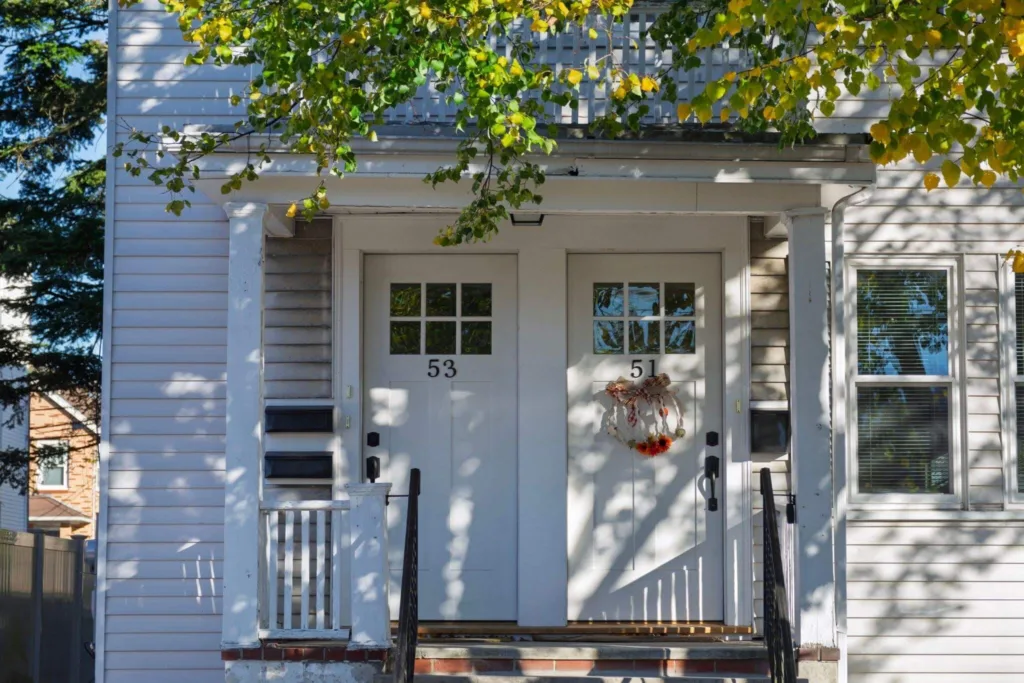
California has spent the last few years making it far easier to put a second unit on a residential lot, and that changes the competitive picture for anyone selling a duplex.
A run of state laws enacted since 2020, including AB 68, stripped away much of the local red tape around accessory dwelling units. Minimum lot sizes, owner-occupancy requirements, and restrictive setbacks were curtailed, and cities were put on tighter approval deadlines. The practical result is that a single-family home with an ADU now performs much like a duplex for rental income purposes.
SB 9, passed in 2021 and effective January 2022, requires cities to approve duplexes and lot splits on single-family lots through a streamlined ministerial process. Its application to charter cities was challenged in court and ruled unconstitutional as to five of them in 2024, a decision the Attorney General appealed.
The Legislature then passed SB 450 (effective January 2025), restating that the provisions apply to all cities, including charter cities. Anyone relying on SB 9 should check their city’s current position.
More duplex-like properties on the market means more competition for the same investor and house-hacker buyers. It also means a buyer comparing your duplex against a single-family home with an ADU is weighing two similar income profiles, so your rent roll needs to hold up.
A duplex is exempt from AB 1482’s rent cap and just cause rules if the owner occupies one unit as their principal residence throughout the tenancy. Rent out both, and that exemption falls away. Cities like Los Angeles, San Francisco and Oakland apply stricter rules on top, so establish your position before listing.
Selling a duplex is already tough, and it gets even harder when tenants are still living in the property. Buyers may hesitate, financing becomes more complicated, and you’ll need to navigate California’s tenant protection laws. In some cases, frustrated owners even face squatters in California, which can make the selling process even more stressful.
Here are a few key things to keep in mind:
Want the full breakdown? Read our in-depth guide: Selling a House With Tenants in California
| ℹ️ If the tenants themselves are the problem rather than the tenancy, we’ve also covered how to report tenants to credit agencies when rent is unpaid. |
A duplex sale in California really doesn’t need to be quite so headache-inducing. Instead of dealing with repairs, listings, agents, or tenants, you can sell your house fast in California by working directly with Osborne Homes.
Osborne Homes are California property investment experts with over 20 years of experience. We specialize in helping homeowners sell quickly, even in challenging situations like duplexes, halfplexes, tenant-occupied homes, or properties in need of major repairs. Our team understands the unique complexities of multi-unit properties and makes the process simple, fast, and stress-free.
Here’s why so many California homeowners trust us:
| 👉As experienced, reputable cash home buyers in California, we buy duplexes in any condition across the entire state. |
Duplexes are generally tougher to sell than single-family homes, especially on the traditional market. But that doesn’t mean you’re stuck. With strong rental income or the right buyer, they can still move quickly.
If you want a fast, hassle-free sale, Osborne Homes makes it easy. We buy duplexes across California in any condition, with or without tenants.
Contact Osborne Homes today for a fair, all-cash offer on your duplex.
Harder than single-family homes, yes. The buyer pool is mostly investors and owner-occupants willing to manage a tenant. That said, duplexes can command a premium for the rental income, and a property meeting the 1% rule tends to attract investor interest quickly.
A halfplex is one half of a duplex building sold separately. It requires the lot to be formally subdivided into two parcels with a separate title for each unit. Without subdivision, a duplex sells as a single property, and selling a halfplex is generally harder than selling the whole building.
Generally, no, unless the duplex has been subdivided or was structured as a condominium with separately titled units from the start. Subdivision runs through your city’s parcel map process and depends on local zoning and lot characteristics, so check with your planning department before counting on it.
Investors often use the 1% rule to evaluate rental properties: monthly rent should equal at least 1% of the purchase price. For example, a $400,000 duplex should generate at least $4,000 in monthly rent to be considered a good deal. In many California markets, hitting that threshold is difficult given how high property values run.
Under AB 1482, a duplex is exempt from the rent cap and just cause rules if the owner occupies one unit as their principal residence throughout the tenancy. Fully tenanted duplexes are generally covered, and cities like Los Angeles and San Francisco apply stricter rules on top.
Appraisers look at comparable sales, rental income potential, and the property’s condition. They also flag issues that reduce value, such as deferred maintenance or outdated features. If you’re preparing to sell, it’s worth reviewing what hurts a home appraisal in California so you know what could impact your duplex’s valuation.
Investors may be more likely to buy tenant-occupied properties, while homeowners may want to live in one side. The best option depends on your duplex’s condition and rental income.
A duplex is one building with two connected units, typically owned and sold together. A halfplex is just one side of a duplex being sold separately, which is much harder to market and usually sells for less.
Yes. Osborne Homes buys multi-family properties, including duplexes across California, as-is, with or without sitting tenants. Contact us for a cash offer for your duplex sale in California.

The Osborne Homes Team
The Osborne Homes team specializes in California real estate, helping buyers, sellers, and homeowners navigate the market with clarity and confidence. Our articles are written to provide practical guidance, local insight, and up-to-date information you can trust.


Get a no-obligation cash offer in as little as 48 hours. No repairs, no agents, no stress. Just a dignified way to move forward.
Free property assessment. No obligation. No pressure.
sell