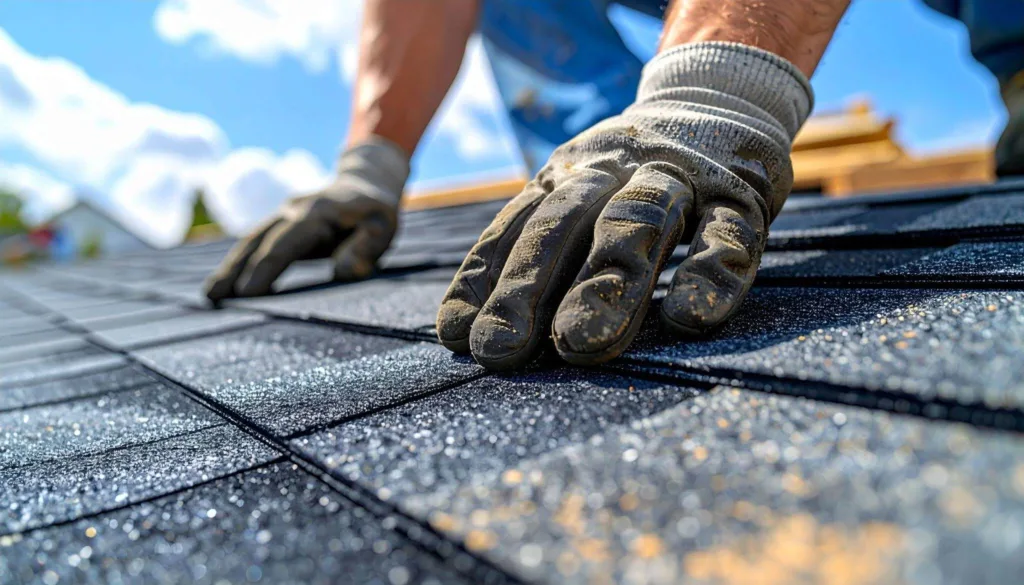
For most California sellers, replacing a roof before listing doesn’t fully pay for itself. In the Pacific region, asphalt shingle roof replacement typically recoups around 55–65% of its cost in added sale price, meaning a $20,000 roof might add roughly $11,000–$13,000 to your sale price. The more important factor isn’t curb appeal, though. It’s whether the roof’s condition will affect a buyer’s ability to secure insurance and financing.
lightbulbKey Takeaways
check_circle
Asphalt roof replacement typically recoups ~55–65% of cost in the Pacific region; metal roofs tend to recoup somewhat more, often 60–70%+, but full cost recovery is rare either way
check_circle
The bigger risk often isn’t price, it’s insurability: California insurers have tightened underwriting on roof condition and age since 2023–2025, and this can block a financed buyer’s loan regardless of appraisal
check_circle
There’s no single statewide roof-age cutoff; insurers vary, and many weigh remaining useful life over a strict age threshold
check_circle
A professional inspection is the first step; it tells you whether you’re facing a repair (hundreds of dollars) or a replacement (tens of thousands)
check_circle
Replacement makes sense mainly when the roof has active damage, when insurance access is a real barrier for your buyer pool, or in a competitive market where a visibly bad roof drives down offers
check_circle
Selling as-is to a cash buyer removes the roof question, and the insurance question, from the equation entirely
Before deciding anything, get a professional roof inspection. A roofer can tell you whether you’re dealing with a repair situation (a few hundred dollars) or a full replacement (tens of thousands), and that distinction changes the entire calculation.
Age: Most roofs last 20–30 years. A 20-year-old roof is nearing the end of its expected lifespan.
Visible damage: Missing shingles, leaks, or water stains in the attic typically signal that repairs – or replacement – are needed soon.
Energy efficiency: Older roofs tend to have weaker insulation, which California buyers increasingly factor into their decision given rising utility costs.
This is the issue that catches most sellers off guard, and it often matters more than curb appeal.
California’s homeowner’s insurance market has tightened noticeably since 2023–2025. Several major carriers, including some of the state’s largest, have restricted new policy writing in parts of the state, and roof condition and age are now explicit underwriting factors for many insurers, particularly in wildfire-prone areas.
What this means in practice:
The practical takeaway: a roof that wouldn’t slow down a cash sale can still prevent a financed buyer from closing, depending on the specific insurer and the roof’s remaining useful life; not just its age in years. If your likely buyer pool includes FHA or VA financing, roof condition becomes a deal constraint, not just a negotiating point.
| Material | Typical California cost range | Notes |
|---|---|---|
| Asphalt shingles | $10,000–$18,000 typical (can exceed $20,000 for larger homes) | Most common material |
| Tile | $18,000–$35,000+ | Common in older CA housing stock, especially Southern California |
| Metal | $20,000–$45,000+ | Longest lifespan; less common |
| Labor | ~40–60% of total | Varies by region and roof complexity |
Cost estimates are based on typical California ranges as of 2025–2026 and can vary significantly depending on home size, roof complexity, materials, location, labor rates, and permitting requirements. Actual quotes may differ, and homeowners should obtain multiple licensed contractor estimates for accurate pricing.
Is the roof actively leaking or visibly failing? → YES → Replacement or a major repair is likely necessary regardless of resale plans. → NO → Continue.
Are most likely buyers in your market using FHA/VA or other financed loans? → NO (mostly cash or investor buyers) → Selling as-is is usually the better financial move. → YES → Continue.
Have insurers in your area tightened underwriting on your roof’s age or remaining useful life? (Varies by carrier) → NO → A credit or price adjustment likely beats full replacement. → YES → Replacement may be necessary to keep the home financeable – or plan to target cash buyers instead.
| Factor | Replace the roof | Sell as-is |
|---|---|---|
| Upfront cost | $10,000–$45,000+ depending on material | $0 |
| Expected ROI | ~55–65% recovered for asphalt; somewhat more for metal (60–70%+) | Full cost stays in your pocket |
| Sale timeline | Adds 1–3 weeks minimum | No pre-sale work needed |
| Buyer pool | Broader – financed buyers more comfortable | Narrower for traditional financed buyers; unaffected for cash buyers |
| Insurance risk | Resolved | Buyer may face insurance difficulty (see above) |
| Negotiation | Fewer concession requests | Buyer may request a credit or price reduction |
| Best when | Roof has visible damage or failure; targeting financed buyers in a competitive market | Roof is functional but aging; accepting a cash offer or selling to an investor |
You’re in a seller’s market. Upgrades can help a home stand out and support a higher asking price.
The roof is in genuinely poor condition. Visible damage or active leaks will deter buyers regardless of price.
You’re listing at a high price point. Buyers at higher price tiers tend to expect move-in-ready condition.
Insurance is the actual barrier. If buyers in your market can’t get coverage on an older roof and most of your likely buyers need financing, replacement may be the only path to a conventional sale.
You’re in a competitive suburban market with mostly financed buyers. Even without an outright insurance denial, a visibly aging or damaged roof in this kind of market can reduce offers, increase days on market, and lead buyers to discount well beyond the roof’s actual repair cost – sometimes more than a straightforward credit would have cost you.
If none of these apply, a credit or price adjustment will usually produce a better net outcome than paying for a full replacement.
If the math doesn’t work for replacement, or your timeline doesn’t allow for it, selling as-is removes the roof issue from the equation. Osborne Homes buys California properties with aging or damaged roofs in any condition, with no replacement required before closing.
Get an inspection first. Don’t guess at the roof’s condition – a professional inspection tells you whether you’re facing a repair or a full replacement.
Disclose the roof’s condition. Transparency with buyers about roof age and any known issues builds trust and smooths negotiations.
Consider a credit instead of replacement. A buyer credit often costs less than a full replacement and lets the buyer choose their own materials and timeline.
Weigh your timeline against the math. If the numbers or the calendar don’t work, selling as-is to a cash buyer is often the more profitable path.
For most sellers, no. Asphalt roof replacement typically recoups only around 55–65% of its cost in added sale price, making it a net loss in most cases. Exceptions include active leaks, structural failure, or a buyer pool that’s struggling to get homeowner’s insurance on the roof’s current condition.
Typically $10,000–$18,000 for asphalt shingles, more for larger homes, tile, or metal roofs, with labor accounting for roughly 40–60% of the total depending on region and complexity.
Yes, and this has become more significant since 2023–2025. Insurer underwriting varies – some focus on roof age, others on remaining useful life or recent inspection – but in general, an aging or damaged roof can make coverage harder to secure, particularly in wildfire-risk areas. This can block a financed sale if the buyer can’t get insured.
Yes. Sellers are required to disclose the roof’s known condition. A cash buyer purchases as-is regardless of roof age; a financed sale may trigger lender or insurer requirements depending on the roof’s condition and remaining useful life.
Often, yes. A credit typically costs less than a full replacement and gives the buyer flexibility, though local market norms vary. A real estate professional can advise on what buyers in your specific area typically expect.
Osborne Homes is a real estate investment company, not a real estate agent, and purchases California properties as-is regardless of roof age or condition – no replacement or repairs required before closing.
References:

The Osborne Homes Team
The Osborne Homes team specializes in California real estate, helping buyers, sellers, and homeowners navigate the market with clarity and confidence. Our articles are written to provide practical guidance, local insight, and up-to-date information you can trust.



Get a no-obligation cash offer in as little as 48 hours. No repairs, no agents, no stress. Just a dignified way to move forward.
Free property assessment. No obligation. No pressure.
sell