Selling a home in California means navigating real estate terms that can be downright confusing, especially when it comes to “under contract” vs. “pending.” What do these stages actually mean, and how do they impact your home sale timeline?
In this article, we’ll explain the key differences between pending and under contract, how long each stage typically lasts, and how Osborne Homes can help you avoid the uncertainty altogether.

Under contract means the seller has accepted a buyer’s offer, but the sale isn’t final yet. The buyer still needs to meet certain conditions, or contingencies, before the deal can move forward.
Think of it as a conditional agreement. The buyer is essentially saying, “I’ll buy your house if certain conditions are met.”
In most California real estate deals, these contingencies include:
These safeguards are designed to protect buyers, but they can also create uncertainty for sellers. If a buyer’s financing falls through, the inspection uncovers major issues, or something hurts the home appraisal, the deal could collapse and leave you starting over.
Want to avoid all the risk and waiting? Request your cash offer from Osborne Homes and skip the back-and-forth.
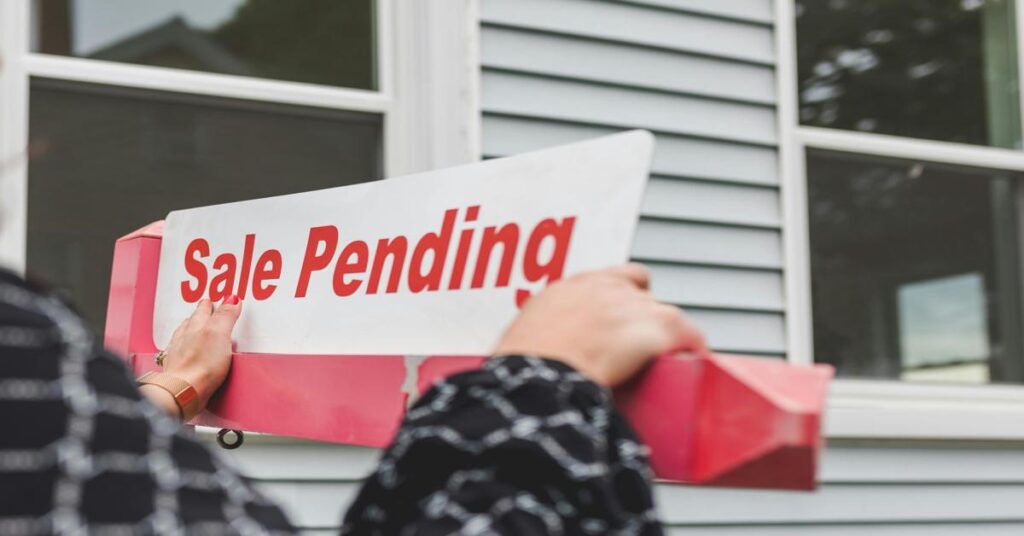
Pending means that all contingencies have been satisfied or waived, and the sale is now moving toward closing. At this stage, there’s a much higher chance the deal will go through, but it’s still not guaranteed until the final paperwork is signed.
By the time a home is pending, the buyer has:
The final steps typically include preparing closing documents, completing title work, and doing a final walkthrough of the property. While it’s rare for a pending sale to fall through, unexpected issues (like last-minute financing changes or cold feet) can still derail the process.
The biggest difference between under contract vs. pending comes down to certainty. A home that’s under contract is still in a high-risk phase as buyers are working through contingencies, and deals can fall through at any time. Once a home is pending, most of those risks have been resolved, and the sale is on a much smoother path to closing.
Some contracts in California include a kick-out clause, which allows sellers to keep marketing their home even after accepting an offer. This adds another layer of complexity to the under contract phase, especially if backup offers are being considered. Understanding how kick-out clauses work can help you protect your interests and avoid surprises.
| Status | Risk Level | Timeline | What’s Happening |
| Under Contract | Higher risk of falling through | Typically 2-6 weeks | Buyer is working through contingencies (inspection, financing, appraisal, etc.) |
| Pending | Lower risk, more certain | Typically 1-2 weeks | Contingencies are cleared; final documents, title work, and closing prep underway |
In California, a house is typically under contract for about 30 to 45 days total, with the first 17 to 21 days often reserved for inspections and contingency removal. This timeline assumes everything goes smoothly. Delays with financing, inspections, or negotiations can extend the process.
Once a home moves into pending status, it usually takes another 1 to 3 weeks to reach closing. At this point, the major hurdles have been cleared, and the final steps like signing paperwork, completing title work, and transferring funds are underway.
While most real estate contracts follow these general timelines, some may take longer. The length of time a house can be active under contract or pending can vary depending on:

How often do housing deals fall through in California? Industry data shows that 5%-10% of real estate contracts fail to close, with under contract homes more likely to fall apart than those that are pending [1].
The National Association of Realtors reported that 7% of purchase contracts didn’t make it to closing in 2022 [2], while Trulia data shows that 3.9% of contracts fell through for a variety of reasons [3].
When a deal collapses, you’re forced to restart the process: re-listing your home, hosting new showings, and waiting on another offer. These delays can rack up carrying costs and may even require lowering your price to attract renewed interest.
Compare this uncertainty to the difference between Osborne Homes and a traditional sale timeline, and it’s easy to see why many sellers prefer a guaranteed cash offer.
Common Reasons Real Estate Deals Fall Through:
If you’re on a tight timeline or dealing with financial stress, starting over with the traditional selling process may not be realistic. Learn how to sell a house quickly when you’re under pressure and explore faster, more reliable options.

Traditional home sales involve navigating the uncertain waters between under contract vs. pending statuses, where deals can collapse at any moment. With over 15 years of experience and 3,000+ successful transactions, Osborne Homes eliminates this uncertainty by purchasing homes directly with cash.
Our streamlined process means no contingencies, no financing delays, and no risk of deals falling through. Contact us today for a fast, guaranteed sale that gets you cash without the stress of traditional real estate transactions.
Quick answers to common questions about home sale statuses.
Under contract has unmet contingencies, pending means contingencies are satisfied and closing approaches.
California homes typically stay under contract for 30-45 days while contingencies are satisfied.
Pending homes in California usually close within 1-3 weeks after contingencies are cleared.
About 15-20% of under-contract deals and 5% of pending sales fail to close.
California contracts typically allow 30-45 days, though extensions are possible through negotiations.
Yes, but rarely. Only 5% of pending sales fail compared to 20% of under contract deals.
Pending status offers more certainty since major contingencies have been cleared or waived.
Cash offers may skip an under contract phase entirely, moving directly to pending or closing.
References

The Osborne Homes Team
The Osborne Homes team specializes in California real estate, helping buyers, sellers, and homeowners navigate the market with clarity and confidence. Our articles are written to provide practical guidance, local insight, and up-to-date information you can trust.



Get a no-obligation cash offer in as little as 48 hours. No repairs, no agents, no stress. Just a dignified way to move forward.
Free property assessment. No obligation. No pressure.
sell