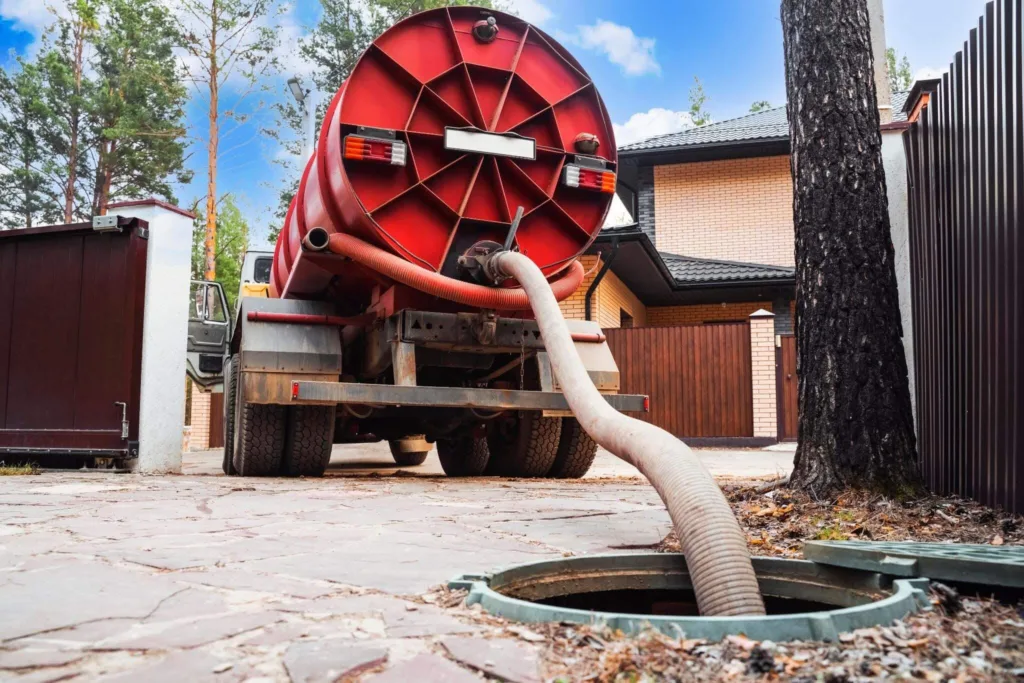
Selling a house with a bad septic system in California creates significant challenges for California homeowners. Strict state codes and buyer concerns can make traditional sales nearly impossible.
However, viable options are available. At Osborne Homes, we buy houses as-is, including properties with septic issues and code violations. This article explores whether you can sell a house with a bad septic system, including your selling options, legal requirements, and practical solutions.
lightbulbKey Takeaways
check_circle
You can sell a California home with a bad septic system, but it eliminates most financed buyers immediately – FHA and VA lenders require a functioning system with no public sewer alternative, leaving cash buyers and investors as the practical market.
check_circle
California law requires full disclosure of all known septic problems on the Transfer Disclosure Statement; failing to disclose creates legal liability and potential financial penalties after closing.
check_circle
Most California counties do not require a pre-sale septic inspection, but Santa Cruz County has mandated a point-of-sale inspection and pumping report since July 2023 – confirm your county’s position with your local environmental health department before listing.
check_circle
A failed drain field, not just the tank, is what triggers the expensive end of the cost range: a full conventional replacement runs $10,000–$20,000, and permitting and soil testing can add months to the timeline on top of that.
check_circle
Operating an illegal septic system carries fines of $200 to $10,000 from county or state authorities, and a system declared unfit can render all water services in the home, including toilets and showers, unusable.
check_circle
Three routes exist: repair before listing (opens financed buyers, high upfront cost), sell traditionally with full disclosure (smaller pool, deal-collapse risk), or sell as-is to a cash buyer (fastest resolution, no repairs or permits required).
Yes, but expect complications and reduced buyer interest when septic systems fail or violate current codes.
Traditional buyers face several concerns:
Selling as-is to experienced cash buyers like Osborne Homes eliminates these traditional market obstacles completely. We handle all septic system issues after purchase.
California septic system disclosure rules are strict, and they start with the Transfer Disclosure Statement, where sellers must disclose all known septic system problems. Failing to disclose septic issues can result in lawsuits and financial penalties after closing.
The penalty for illegal septic system operation includes fines ranging from $200 to $10,000 imposed by county or state authorities, as well as the Environmental Protection Agency [2]. Health departments can issue violations for unpermitted systems or environmental contamination. Property owners remain liable for cleanup costs and regulatory compliance.
An illegally operated septic tank can be declared unfit for use, rendering all water services in the home unusable, from flushing toilets to showering.
These two often get confused. The Transfer Disclosure Statement is a statewide obligation to declare what you know. A pre-sale septic inspection is a separate, county-level requirement, and most California counties don’t impose one.
Santa Cruz County does. Since July 2023, sellers there must complete a point-of-sale inspection and pumping report before transfer, and repair any failure to county standard or formally hand that job to the buyer [3].
A handful of other counties run similar ordinances. Check with your county environmental health department before you list, because finding out mid-escrow is an expensive way to learn it.
Septic system problems often develop gradually, making early detection difficult. Many California homes have aging systems that no longer meet current environmental standards. Recognizing what hurts a home appraisal helps sellers understand why septic issues create such significant challenges for property values.
Common warning signs include:
Systems become illegal when:
| ℹ️ Can you sell a house with mold? Yes, with the same reasoning as selling a house with a bad septic system. Full disclosure is the way forward. |
The national average is currently $8,025, which is close to useless if you own property here [1]. Strict environmental standards, difficult soils, and county permitting push California costs well above the national average.
| Job | California cost range | Notes |
|---|---|---|
| Septic inspection | $300–$600 | Required at the point of sale in some counties |
| Repairs (baffle, filter, pipes, pump) | $200–$5,000 | The cheap end is rare once a system is genuinely failing |
| Tank-only replacement | $3,000–$7,000 | Applies when the drain field is still sound |
| Drain field replacement | $5,000–$15,000 | Poor soil or a high water table pushes this higher |
| Full conventional replacement | $10,000–$20,000 | Standard three-bedroom property |
| Engineered or alternative system | $20,000–$50,000+ | Required on sloped, clay-heavy, or coastal lots |
Two things sellers underestimate. A failed drain field, not a failed tank, is what triggers the expensive end of that table. And permitting, soil testing, and installation can routinely take months, which is a problem if your sale has a deadline [2].
Selling a house with a bad septic system in California might not sound too dramatic, but it could genuinely hinder your chances of a timely, hassle-free sale.
The truth is that a failing septic system doesn’t just cost you money; it costs you buyers, especially anyone who is relying on a mortgage – they are removed as a prospect almost immediately.
The reason why is quite simple, if not a little bureaucratic and tiresome. FHA rules under HUD Handbook 4000.1 put the appraiser on the lookout for signs of failure, and if the system can’t do its job with no public sewer to fall back on, the lender has to walk [4].
What’s left is a much shorter list: cash buyers who will squeeze every dollar of that repair out of their offer, and sellers who bite the bullet and fix it first. And no, you can’t ‘conveniently’ leave it off the paperwork. Septic system disclosure in California is required by law, and the buyer’s own inspector will likely find it anyway.
To that end, what are your options when selling a house with a bad septic system in California? Let’s take a look.
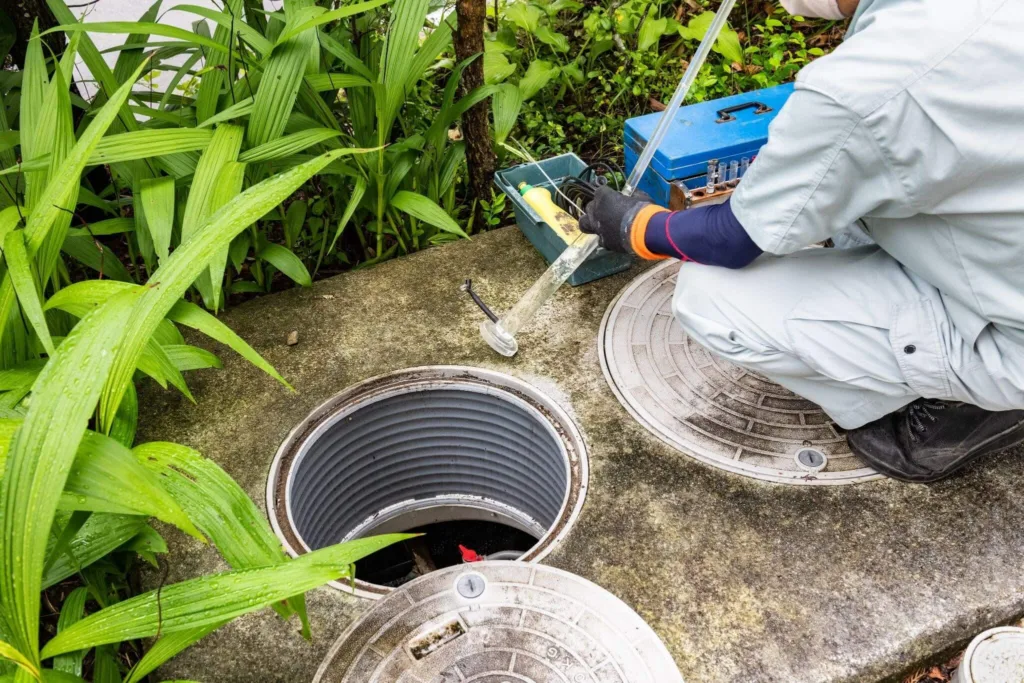
Three main approaches exist for selling homes with septic system issues. Many sellers discover their property needs too many repairs after professional assessments reveal the full scope of required work.
Repair or replace before you market. This opens the door to financed buyers and a higher price, but it means $10,000 to $20,000 up front on a conventional replacement (with no guarantee you will ever recover it), plus permitting delays that can stretch for months.
Market the property with full disclosure of septic system problems and hope buyers will accept the issues. In practice: a smaller buyer pool, a lower price, a long marketing period, and a real chance the deal collapses at inspection.
Contact experienced investors, like us here at Osborne Homes, who purchase properties regardless of condition or code violations. This is the fastest resolution, with no repairs, permits, or approval processes. Find out who handles repairs in cash home sales for how this eliminates seller repair obligations.
| Sale method | Septic condition required | Time to close | Agent commission |
|---|---|---|---|
| Traditional sale, financed buyer | Functioning system, effectively required by FHA and VA lenders | 60–120 days | 5–6% |
| Traditional sale, cash investor via listing | As-is, but you still need a marketing period | 30–60 days | 5–6% |
| Direct cash buyer | Any condition, sold as-is | 7–14 days | None |
| 👉 If septic is your only obstacle, the middle row is worth a look first. If it’s one problem among several and you’d rathersell a California house as-is than start a repair schedule, the bottom row exists for that. |
We have 15+ years of experience purchasing California properties with various code violations and failures, including selling a house with a bad septic system in California.
Our process includes:
For more information about our code violation purchases, we handle various compliance issues beyond septic systems.
As experienced, reputable cash home buyers in California, we take on the problem, the permits, and the paperwork after closing.
Yes, with full disclosure on the Transfer Disclosure Statement. You are not required to repair it first, though a conventional lender may refuse to fund the sale until you do, which is why a cash buyer is often the practical route.
It depends on your county. Santa Cruz County requires a point-of-sale inspection and pumping report, and a few others run similar ordinances, but most do not. Confirm with your county environmental health department before listing.
A full conventional replacement typically runs $10,000 to $20,000, or $3,000 to $7,000 for tank-only, where the drain field is sound. Engineered systems, common on sloped or clay-heavy lots, can reach $20,000 to $50,000 or more.
Failing to disclose known septic problems violates California law and can result in lawsuits, financial penalties, and liability for buyer damages after closing. California also fines $200 to $10,000 for operating an illegal septic system.
Houses with failing septic systems cannot pass standard inspections required for conventional mortgages, making traditional sales extremely difficult or impossible.
Experienced cash buyers like us regularly purchase homes with septic problems, handling all repairs and code violations after closing. If you’d rather sell traditionally, check what repairs are required to sell first.
Contact us today for a no-obligation evaluation. We buy houses as-is throughout California, regardless of septic system condition or code violations.

The Osborne Homes Team
The Osborne Homes team specializes in California real estate, helping buyers, sellers, and homeowners navigate the market with clarity and confidence. Our articles are written to provide practical guidance, local insight, and up-to-date information you can trust.


Get a no-obligation cash offer in as little as 48 hours. No repairs, no agents, no stress. Just a dignified way to move forward.
Free property assessment. No obligation. No pressure.
sell